Michael Lengefeld, PhD · Northeastern University
Research
Comparative-historical and quantitative scholarship at the intersection of geopolitics, political economy, science and technology studies, and public and environmental health — examining how power shapes ecological and health consequences across the world.
11
Projects
9
Journals
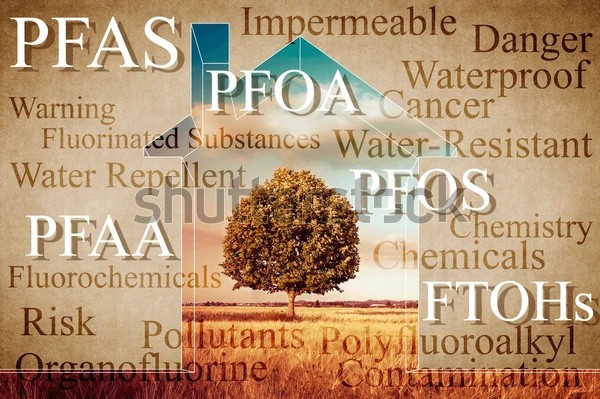
PFAS Contamination in the United States
The first nationwide characterization of PFAS "forever chemical" contamination using 79,891 presumptive sites. AFFF use at military facilities produces the highest groundwater concentrations; 94% of all detections exceed EPA health-based limits.
Read Article →
The Environmental Consequences of Asymmetric War
High-tech warfare in the Global North drives carbon emissions and shifts ecological risks onto the peoples and environments of the Global South. A panel study of 126 countries finds that militarism increases CO₂ even during global recessions.
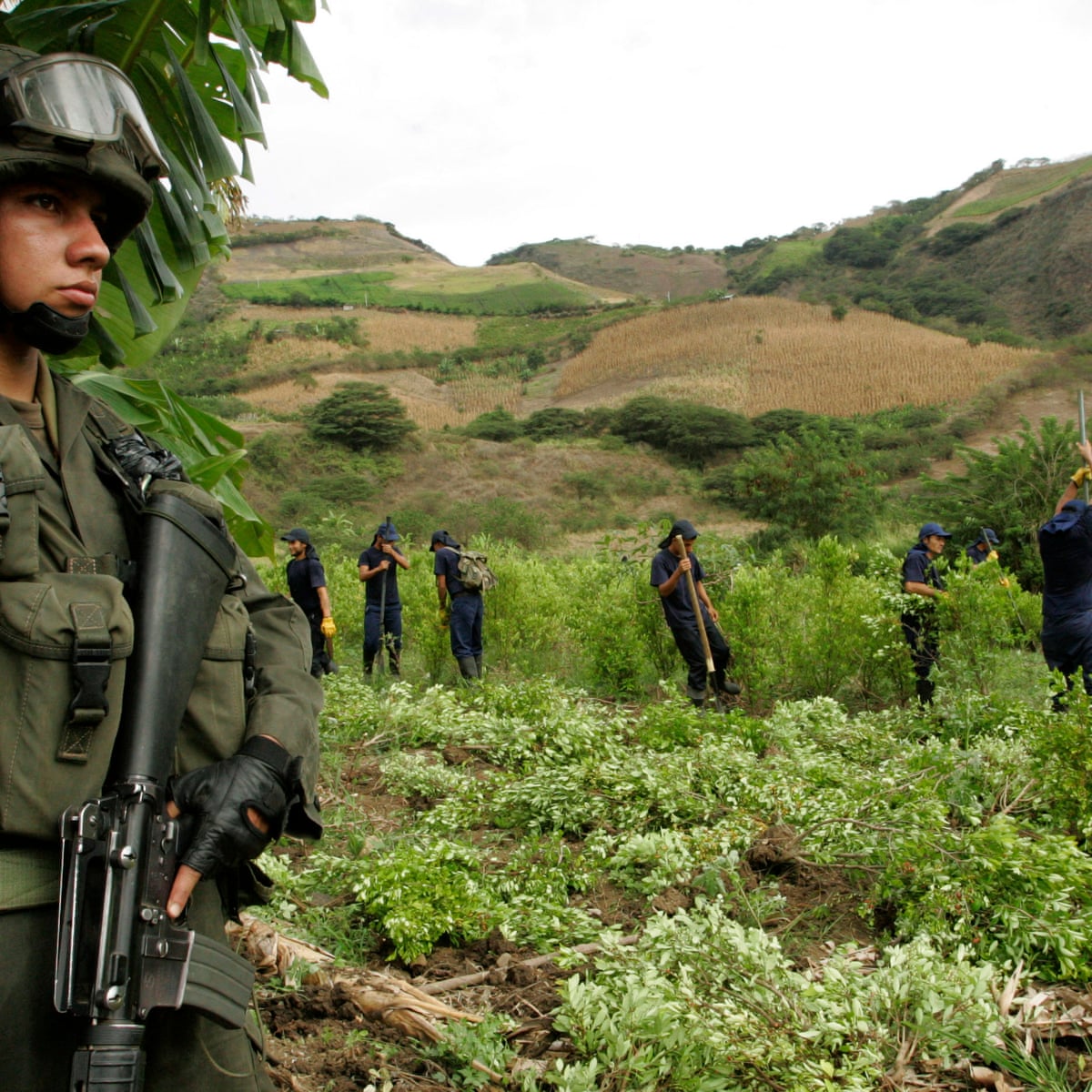
War on Drugs in Colombia
U.S.-backed aerial fumigation campaigns devastated Andean ecosystems and rural communities. Eradication drives deforestation, biodiversity loss, and toxic contamination in biodiversity hotspots — and largely fails to curb production.
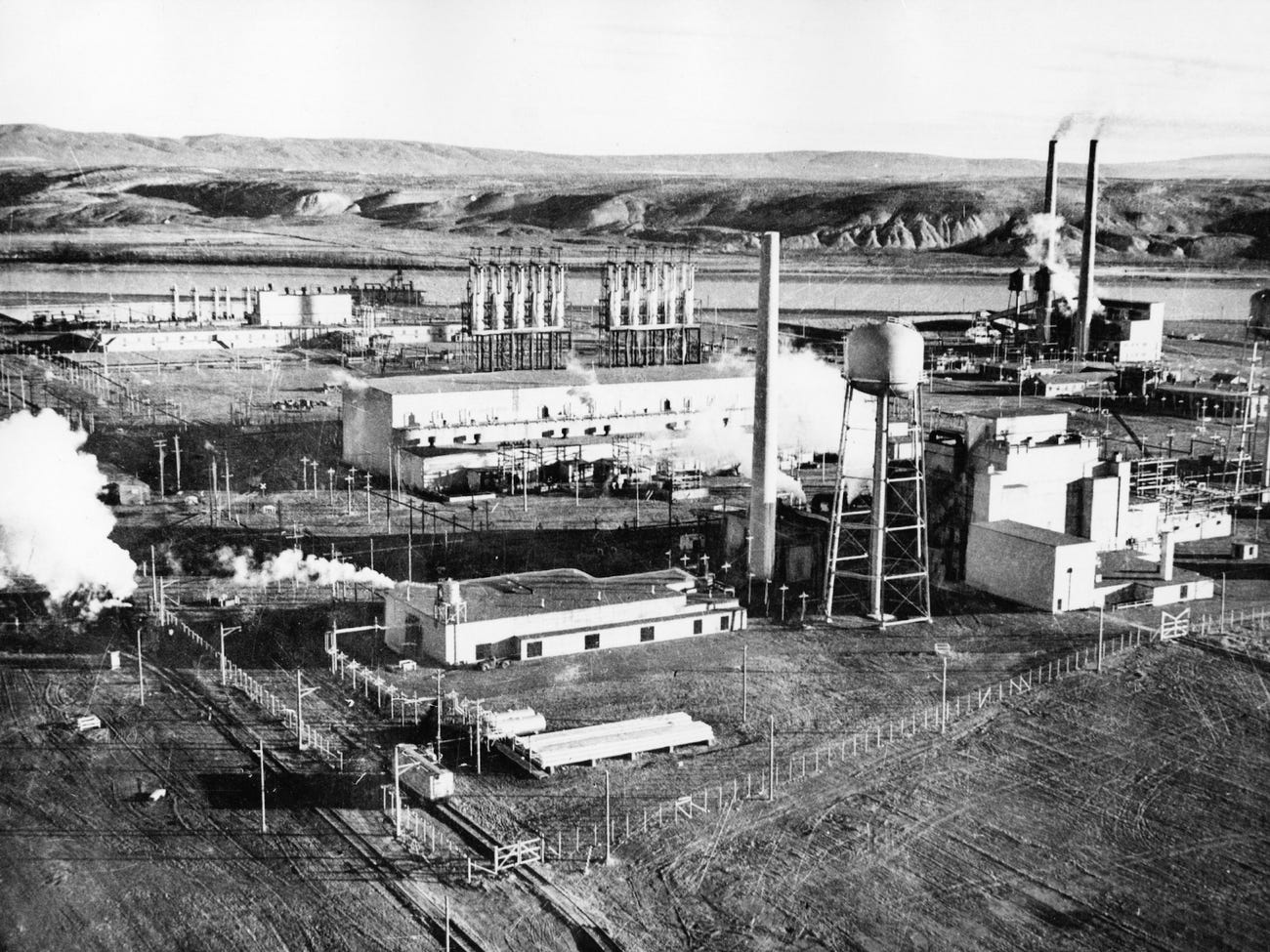
Nuclear Weapons & the Anthropocene
Since 1945, nuclear weapons production has left a radioactive legacy threatening human health and ecosystems. From Hanford to Rocky Flats, the Cold War arms race imposed ecological atrocities concealed for decades by national security doctrine.
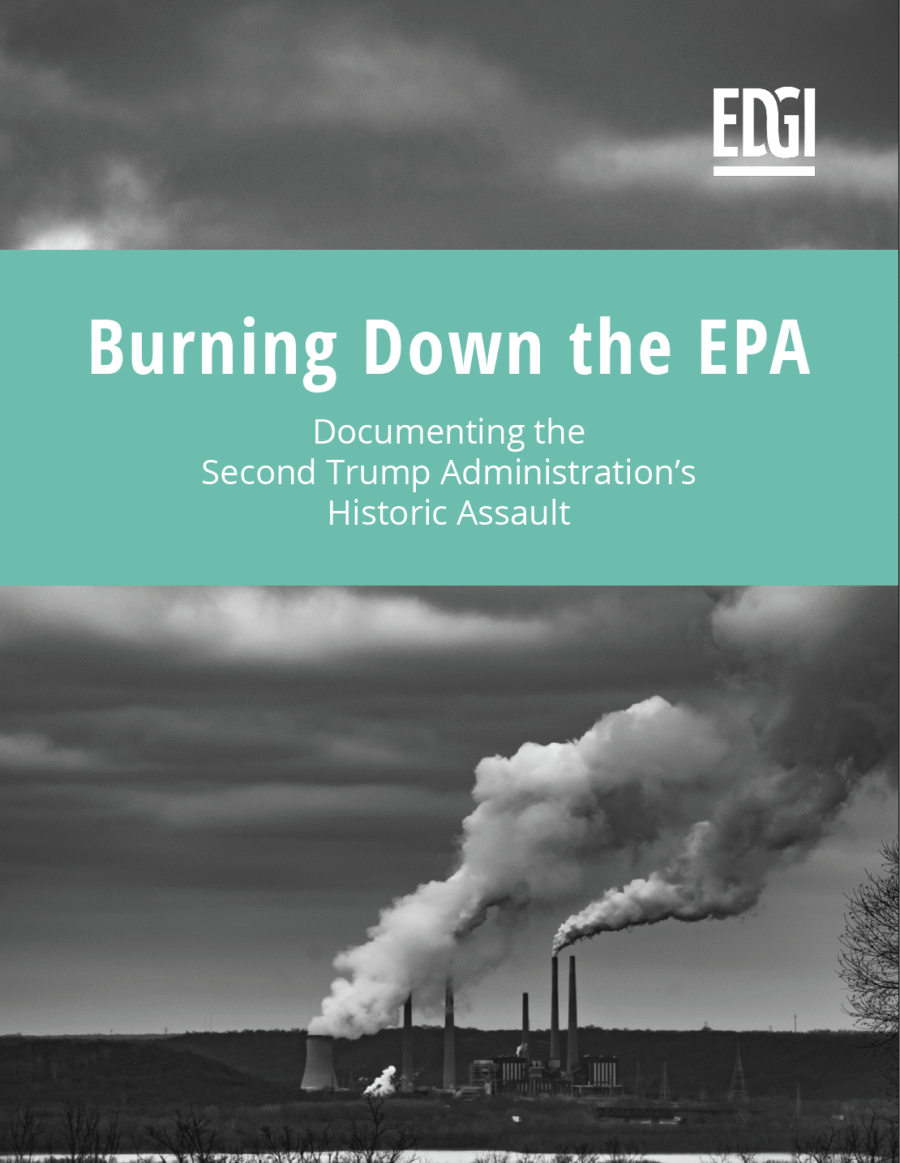
Burning Down the EPA
Under Administrator Lee Zeldin, the EPA has begun incinerating many of the environmental and health protections this agency has provided for over five decades. The report Burning Down the EPA breaks down the five tactics employed under Zeldin's leadership and places them in their full historical context.
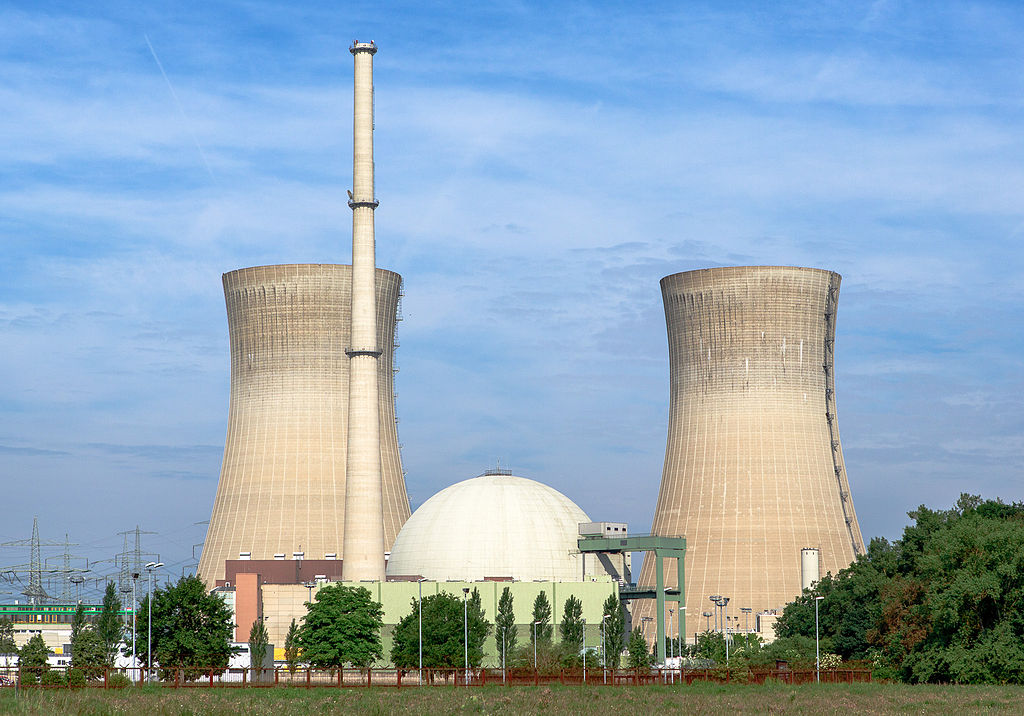
CO₂ Emissions & Nuclear Technologies
Does nuclear power reduce carbon emissions? A cross-national panel of 136 countries finds that nuclear energy production does not offset emissions — and that nuclear weapons possession is the strongest predictor of elevated CO₂ in the analysis.
Callous Cruelty and Blowback
This research builds on and extends critical environmental justice scholarship into carceral spaces — focusing on U.S. Immigration and Customs Enforcement (ICE) detention facilities during the COVID-19 pandemic. The United States detains more immigrants, including asylum-seekers, than any other nation in the world. Drawing on the lessons of the Black Lives Matter movement and critical race theory, the research draws direct connections between institutionalized racism in the criminal justice system and immigration enforcement policies.

Zoonotic Spillover
Over 600,000 animal viruses have potential to infect humans. Applying "normal accidents" theory and treadmill theory, this research shows how economic and military competition accelerates deforestation, biodiversity loss, and pandemic risk.

Concussions & Youth Sports
States with more high school football participation passed concussion laws later — supporting a resistance hypothesis. NFL counterframing diluted media coverage of football's unique risks, shielding corporate interests during Congressional hearings.
Civil War, Coca & Gold in Colombia
Examines how Colombia's civil war shaped the coca and gold economies, with implications for resource extraction, violence, and environmental governance in conflict-affected peripheral regions.

War & the Environment
From B-29 bomber production lines to contemporary drone campaigns — a broad investigation of how changing modes of warfare transform the relationship between organized violence and ecological destruction across history.

Environmental Sociology
Broad theoretical and empirical work in environmental sociology, examining the social structures, power dynamics, and institutional forces that drive environmental degradation and shape human-nature relationships globally.